A clogged flue and a damaged flue are different problems with different fixes. If soot, a bird nest, or fallen debris is blocking the passage, the common "i got my flue clogged" case, the repair is a mechanical…
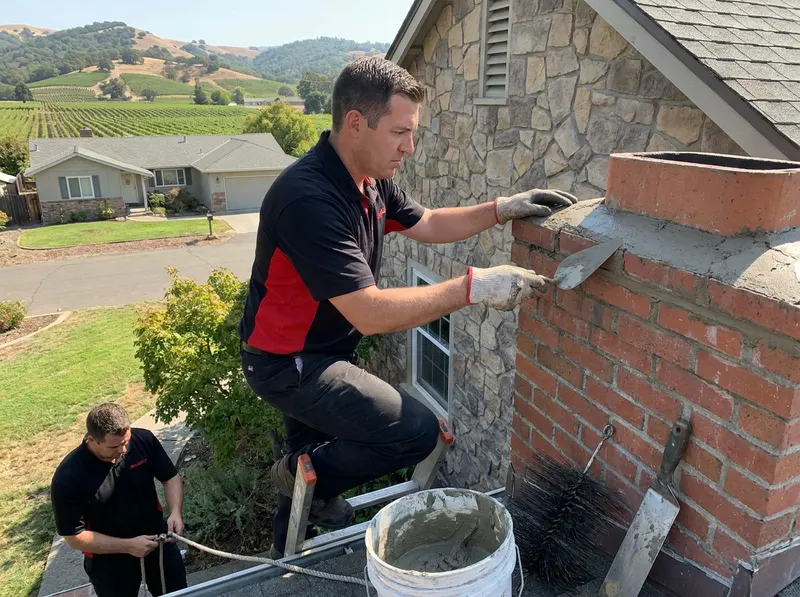
A clogged flue and a damaged flue are different problems with different fixes. If soot, a bird nest, or fallen debris is blocking the passage, the common "i got my flue clogged" case, the repair is a mechanical clearing with rods and a rotary brush, often paired with flue cleaning of accumulated creosote. If the clay liner itself is cracked, spalling, or has open mortar joints, clearing alone will not make it safe; the flue needs chimney relining with a listed stainless steel liner or a cast-in-place liner. A camera scan tells which situation applies before any quote is given.
Relining fits a chimney with cracked clay tiles, a flue too large for a new insert or gas conversion, or a liner that failed a CSIA Level 2 inspection after a chimney fire. A stainless steel chimney flue liner is sized to the appliance, a wood stove usually needs a 6-inch round liner, while an open fireplace may need 8 inches or a rectangular section. Undersized or oversized liners cause the same smoke back-up complaint many Alta Heights and Coombsville homeowners describe. The trade-off is straightforward: clearing a clog is cheap and same-visit, while relining is a larger job that restores the flue to NFPA 211 standard and typically carries a manufacturer warranty on the liner material.
Sealing off a flue is the right choice when a fireplace is retired for good, the "i want to seal it off" case common in older Napa Abajo and Old Town Napa homes converting to gas or closing an unused second flue. A permanent seal-off closes the flue at the top with a cap or sealed cover and blocks the throat below to stop drafts, rain, and animals from entering. This is different from a chimney balloon or a temporary insert, which only reduces airflow. A flue that stays in occasional service should not be sealed; it should be relined or repaired so it can still vent safely.
The process runs in order: (1) confirm whether this is a clog, a liner failure, or a decommissioned flue; (2) scan the flue with a camera and photograph the liner condition; (3) present a written scope and price on-site; (4) clear, reline, or seal per that scope; (5) verify draft and clearances against NFPA 211 before closing out. Homes across Browns Valley, Silverado, Bel Aire, Salvador, Linda Vista, and Westwood with masonry chimneys built before the 1980s most often show cracked clay liners, which is why the camera scan comes before any repair recommendation. Every visit starts with a free on-site estimate, so the flue is inspected and priced before work is authorized.
Every job gets a firm, written price after a free on-site visit.
Tell us about your flue repair & sealing job in Napa and we'll send a clear, written quote, usually the same day.
 Sootcrew Chimney Sweep